

Forum Replies Created
-
AuthorPosts
-
Gotcha!
I thought those tongues wrapped up and around the outside, curling up slightly over that outer radiused-edge. But simultaneously thought thats rubbish, they will impede the sealing having metal straps round them.
Probably best to bend those tabs to shape then paint. Also a smear of silicon to help keep them there?
I think I know what you mean regarding seal fitment. Looking at images of repair sections on CC, those tongues kinda curl out & up. I see there is a radiused profile on one side of the seal. I take it, this side is ‘outer’ that gets held in by the curled-tongue? The inner profile looks square and I take it butts up against the c-post?

yeah, i made the bottom of the c-post angled slightly upwards towards the sill. The seal-holder looks to follow suit, but that little piece is all somewhat distorted in manufacture, so it is what it is. I consider that seal is somewhat token, an afterthought. Does it actually do anything of value?
I think I may have to rework those tabs anyway come fitment to make them hold properly, I feel they will be inadequate in size to form; stick out and wrap up around the seal and hold?
I don’t know how big these seals are. they look as if they could be quite chuncky? Once I get the actual seals in hand I can see what needs to be done.
I did wonder how they fitted. I thought there might have been slots in the rubber that those tongues slip into. I guess it’ll need the appropriate OD round bar used to shape those tongues correctly?
i managed to get the seal holder to fit OK in the end. Didn’t need to shim it afterall.
After fettling the sides for optimal fit and making sure they were same profiles. I made the front piece and tacked it all together. The sides of the front piece i curved over slightly on some round bar to help get a better radiused corner after welding. I tacked it up with the seal holder in place to make sure it would fit afterwards.

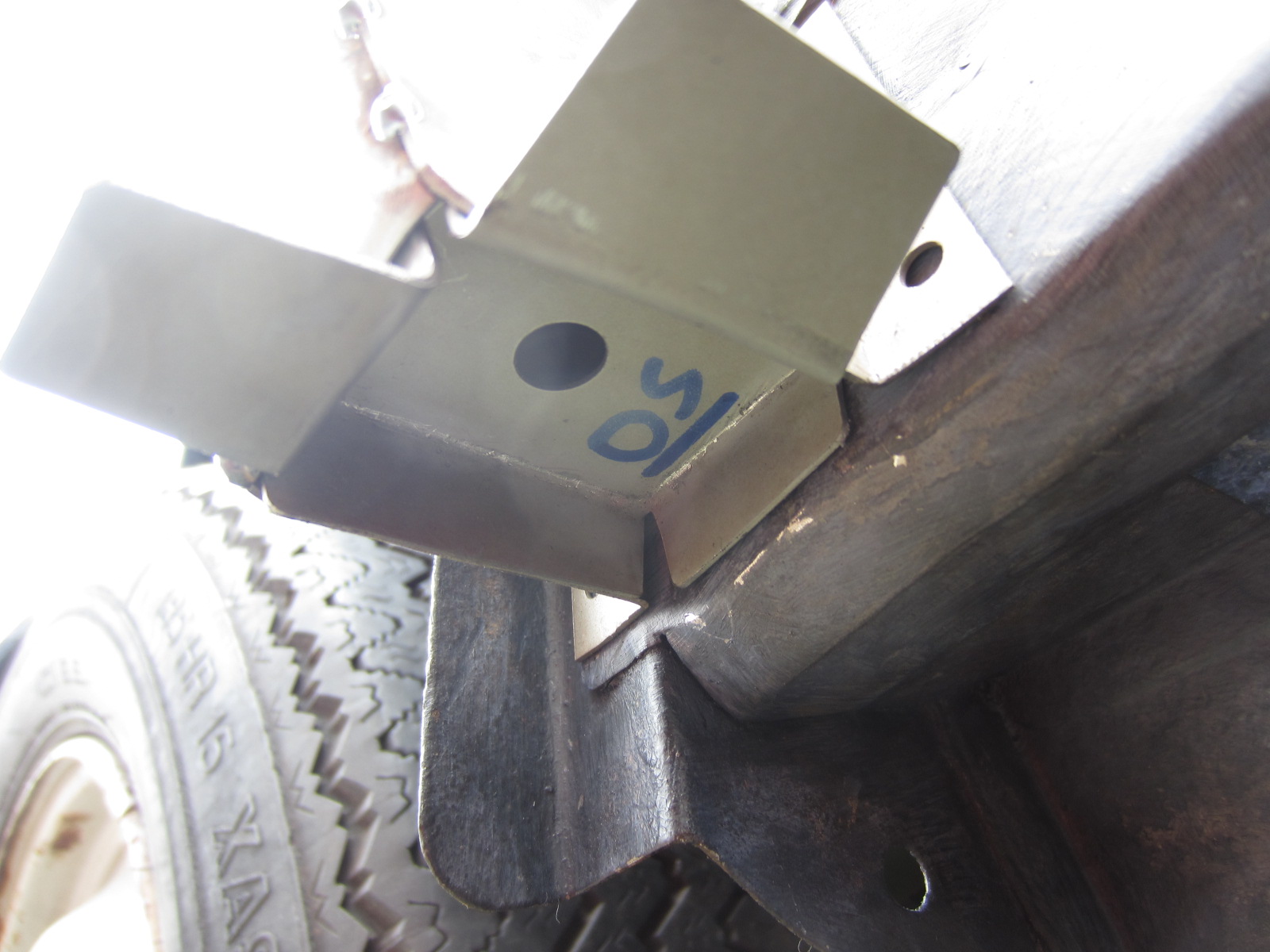
I then welded it all up, dressed the welds and got some shape to it.


I then punched some holes in the bottom of the post to allow spot welding the seal-holder in place.
Spot welded the side to the sill and welded the join in the side-seam. I fettled the tongues afterwards so they came out from under the post better, crisp angle as opposed to kinda curving out and a little crooked.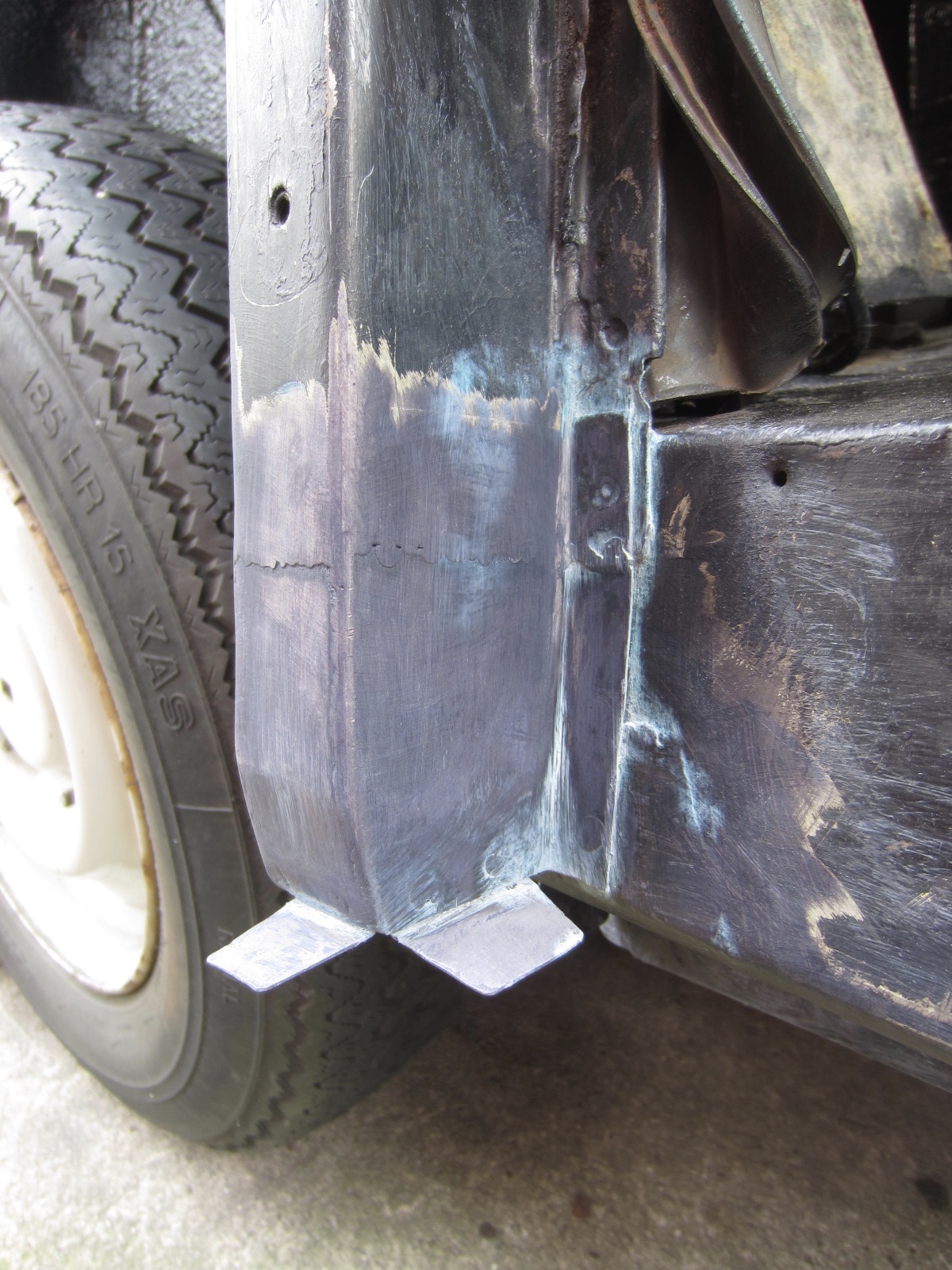


on taking the above photo i saw i’d forgot to weld the inner-tab.
Job next time the welder is out.
Once its fettled for the seals to fit, those door-seal trims welded in place, protective coated and a skim of filler, it should be good.The B-post is solid apart from the seal-holder is missing. But that looks easily made wrapping some steel around a flat-bar?
welding, it wasn’t so pretty before i dresed it. it quite ever goes as well as you imagine it will.
I’m not at the rally this weekend, hopefully i will still be welding this car, but on the other side :).
I have a straight strip already on order with rubbers and other stuff from CC. I need to replace all the sections on the sill area, so having a length to hand will be useful.i did consider buying a new sill for whatever pieces i’d need, but after closer inspection it didn’t warrant it. but i totally agree not to mess about ending up with a jigsaw, often distorted after all the piece-meal welding and simply weld in as much, but at the same time as little, if that makes sense.
having a tea break now and after more fiddeling, i see that my rubber holders are too narrow, plus a slightly tapered shaped due to poor forming.
I’ll add more photos of the progression, it might help others doing same works?
I appear to get an acceptable fit if i place a shim of ~1mm steel either side of the fore-aft sections. That packs it out enugh. I have shaped the holder a little hammering it around a thick flat bar to try and get crisper corners. But they are just not square even with better folds and without remanufacturing the whole thing it’s all you can do.
I do have the late dash, that is quite a good idea, repurposing the ashtray?
Definitely put that in the pocket for options.Not sure about those particular knobs. But if nothing more suitable found, nowadays with 3D printing etc you could print something more a kin to other controls?
I want to retain the cubbyhole above, as when i was using the car found it useful for stuff. So not that interested in getting the correct radio for in there modified or not.
I’m sure you can get/seen little DAB receiver modules that utilise apps on a smartphone to control them. So that is another option if inclined.
Anyway, all good ideas, but bigger fish to fry at this stage.
interesting stuff, in particular the BT module with the remote ‘on’ feature saves hacking into a switched unit for remote/embedded operation.
in time i plan on fitting a radio/8-track player into my car as a period feature. i may go down this route. Though there is available an 8-track cassette that has a BT receiver built in which will make things simpler. I’m sure audio quality is effected, being only as good as the tape-head transfer. But’s that OK.
i have built a number of BT-speakers out of old 70s radios, removing the guts and installing a BT-kit from kitronik. it has a small amp built in and from home use can go louder than you’d ever realistically play it. audio level is controlled from the streaming device. I will use one of these just sitting in the car initially, see how it goes. Will also look ‘period’.
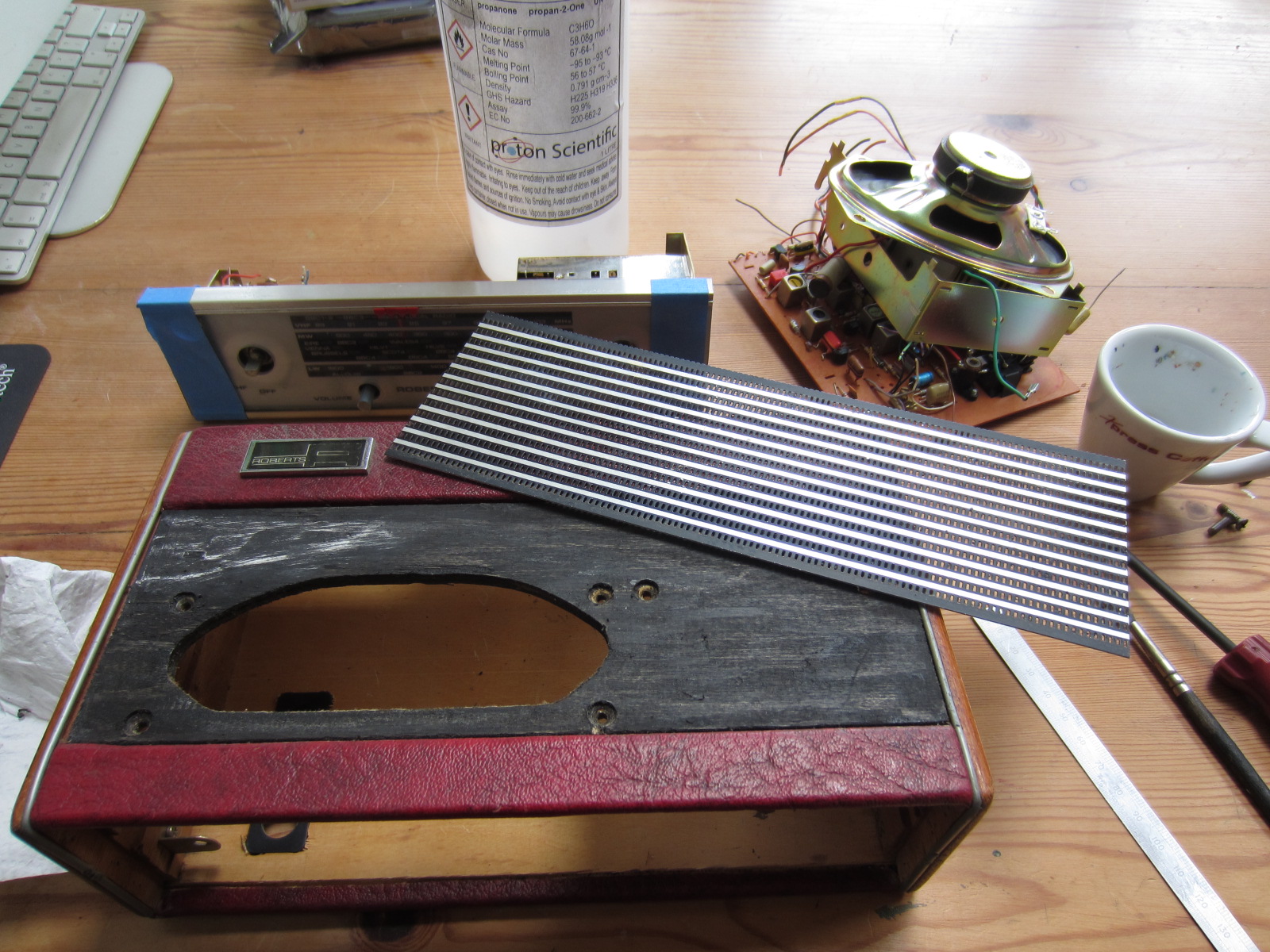


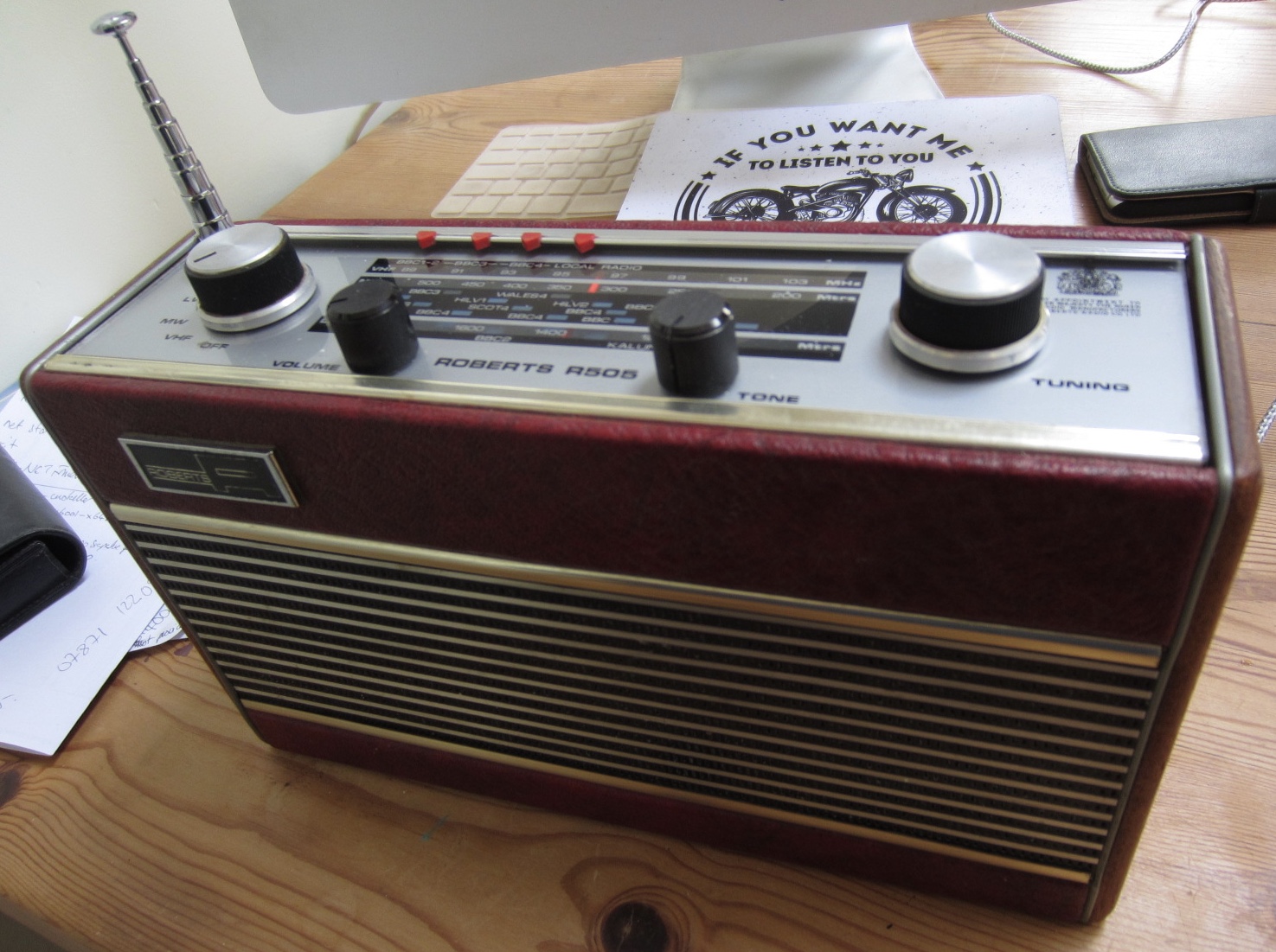
i too am glad to see & hear that i am not alone in the way i end up working, organising & hoarding.
good job paul.
what amp & BT module are you using?
that interior looks fantastic
your car must be coming on leaps and bounds now?i haven’t managed to find and images showing the detail i want to see. areas of interest are always obscured.
Overall the carpet fits OK. but i do have some issues that need to be addressed.
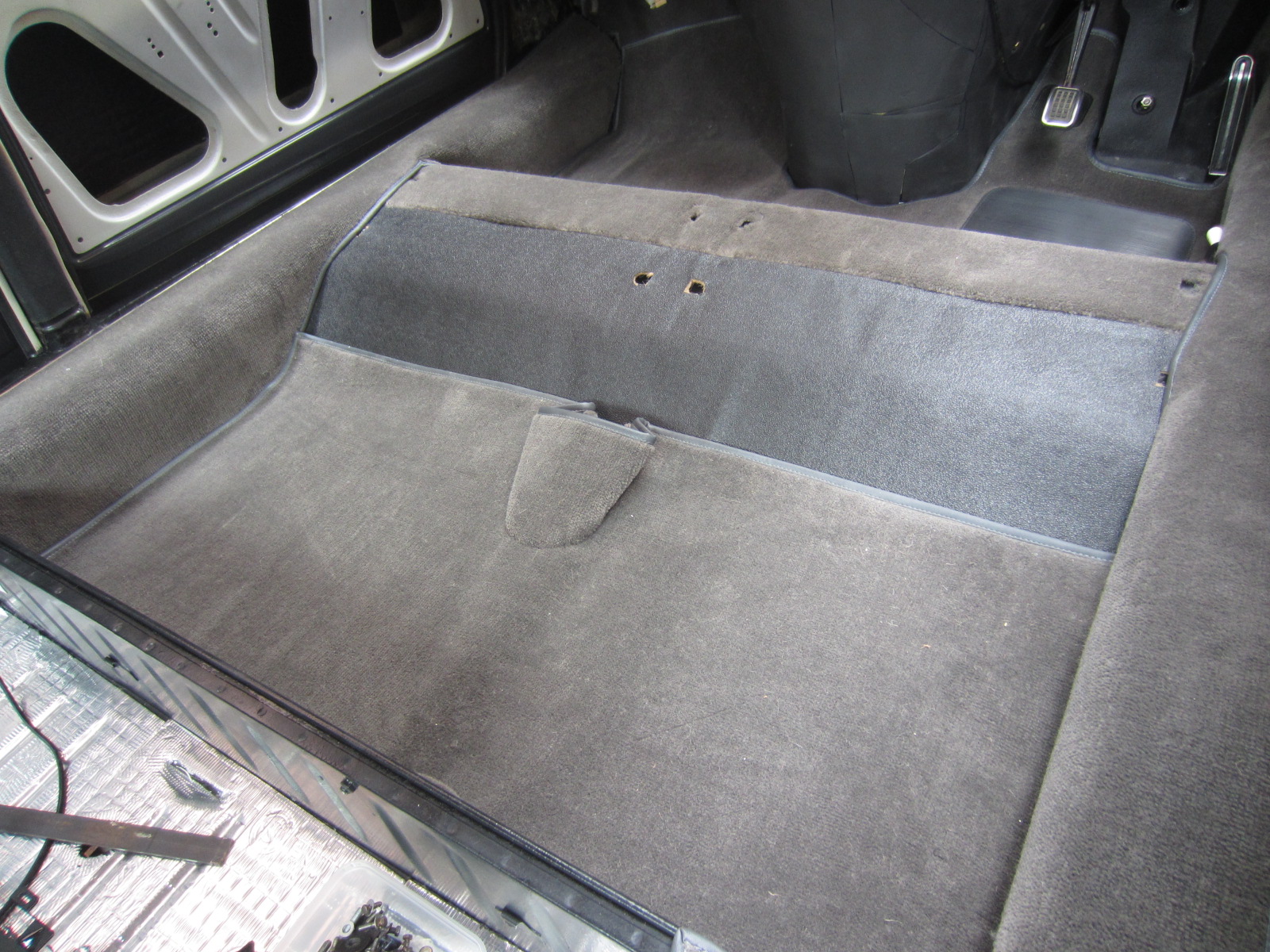
main issue is that the sill carpets, when aligned with the ‘curve’ on the sill-trim and the ‘slope’ of the centre floor section. They fall short at the fronts. NS is the worst.
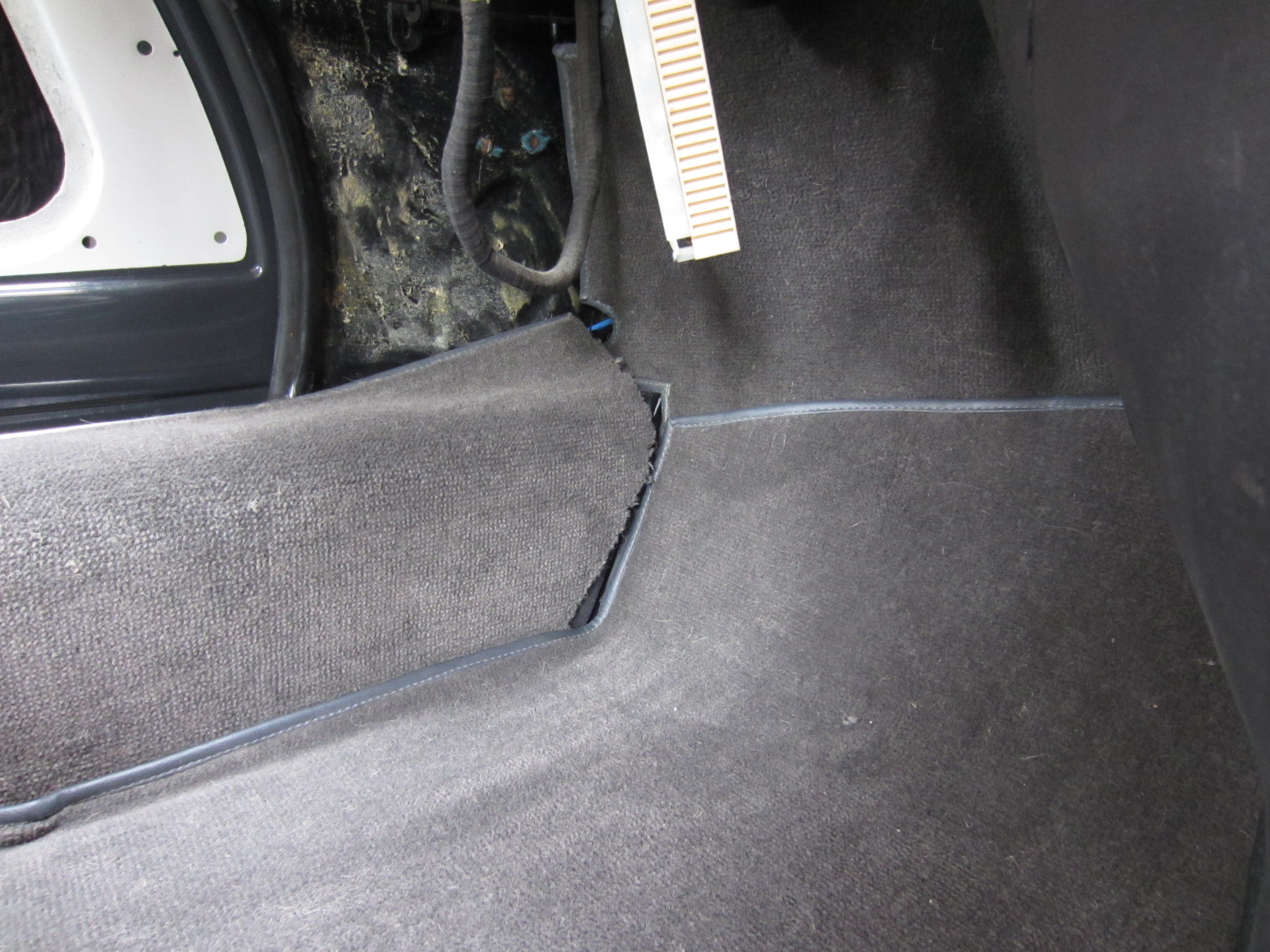
but, it may be OK-ish? I think the floor carpet should sit on top of the ECU that bolts to the floor. If so, it’ll fit covering those gaps? The cage that the ECU sits in looks to have a cover or somehting, with four captive-nuts ftted on the frame that something bolted too.
Also the bit that fits on the corner around the tank isn’t ideal.
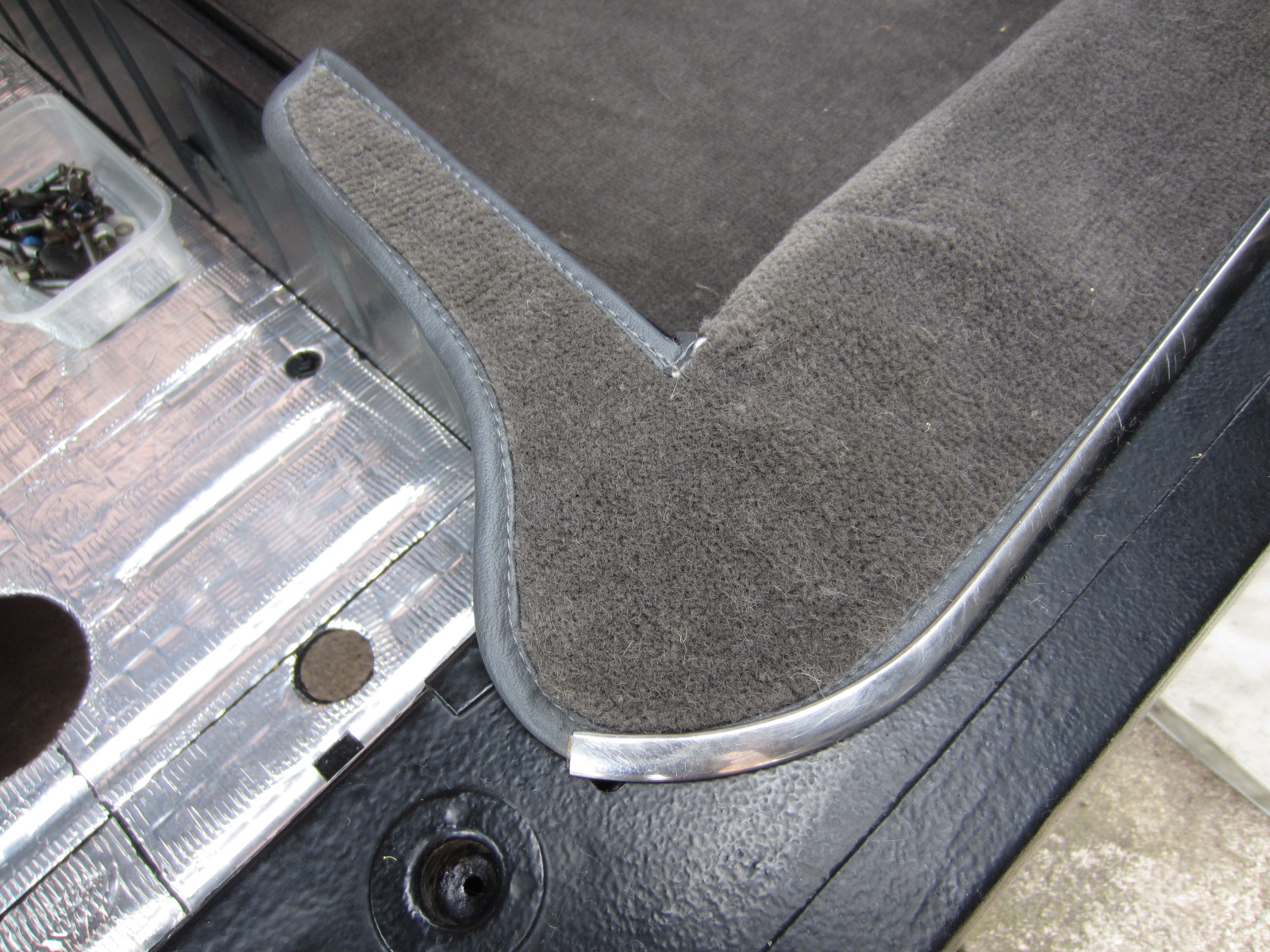
ive opened up the trim, so the edging fits inside and then will be clamped back down/tight after final fitting. Again, if you align the curve on the carpet with the curve of the trim. it dictates where the carpet fits. align curves, carpet falls short at front of sill. move carpet forward to correct gaps at front. it looks odd with misalignment of curve on carpet & trim.
all carpet sets i’ve seen , including coverdale, simply have a slit, edged for this area. but its more complicated than that. there is a lip on that upper edge of the panels. the carpet slot idealy needs to be an upside-down ‘L’?
Anyway, i have time having to sort out the sills/bottom of C/B posts. during that i’ll consider my options. I’m leaning to get some more flint grey carpet from coverdale, enough for the boot and use offcuts to extend the sill carpets and fill tha minor gaps?
Hello from Groede in that Holland, unfortunately nowhere near any cloggy DS parts supliers, so no going home with parts :(. But on our way to the tunnel from up north we took a slight detour to St Albans and looked at Terry’s car.
I think its a very honest car, as a no frills, proven daily user.
We took it out round the block, ran fine, souned nice, excellent brakes, clutch gears all of it. Terry hammered it, it was happy.it looked good, great in fact in all the important places; bottom of body-posts, wing-gutters, bottom of doors, wings etc. Yes, it is showing it’s age in places, but in a good way and nothing that cant be reversed if desired. All in all looked a very good honest turn-key car for sensible money?
i didn’t get right underneath, it was raining and i wasn’t dressed for rolling around on the floor. But the photos on CC show aspects of it.
it is advertised as a super, but it is only a 4-speed? I thought supers were 5? vin plate on bulkhead identifies it as an ID20. Maybe that is important to some, it wasn’t to me.
if i didn’t have the projects i have on the go and space for it without having to spill car(s) onto the road. I would have bought it in a heart beat to use as is and enjoy.
WOW! those barn finds look great. in particular the 23 and the early ID. I saw a slough built early car on ebay a few weeks back that looked an honest car for reasonable money.
That SA 5 speed looks good. A DS is such a small market i’m sure it could be bought for significantly less. Cash is king. Seriously worth a close inspection if in the market for a good, honest DS?
if you do look at that st albans car, report back be good to get the lowdown. I’m thinking that car would be best left ‘as is’ and enjoy it for as long as condition allows?
It’d soon avalance; once the interior is tidied up nice, with new instruments, stalks, dash-paint etc. Then what? Roof linings, seating, door cards and it goes on. Then it has to be painted and whatever underneath throws up. You have a full resto/reno on your hands before you know whats what. You’ve spent good money and it’s taking years. Too many.
i think Peter’s final comments are on the money.
Hi Paul,
Thanks for the links. I looked at C.Classics parts shop and didn’t see it, don’t think they stock it?Carpet, yeah. I htink it’s just a balls up on the supplier/maker. It was a bloke recommended from here many years ago. I’ve been somewhat dissapointed in the whole lot to be honest. The actual finishing in a lot of areas, particular seating/door cards isn’t quite up to scrtatch for a pro in my book. It looks a little ameteur.
I could fit that NS sill carpet so it sits behind the centre section. But the centre-section has a raw edge, so that will be visible and look bad. I’d have to edge it, then its odd to the other side and it goes on.
I’m thinking of replacing it with a coverdale? They seem to have a good rep? I’ll try the other carpets and see how good/bad they fit before making a decision. If going coverdale i’ll talk to them first about their fitment. It might be the same?
I have some time. My understanding is I have sme minor works to sills before I can final-fit the sill carpets and follow on from that with the rest, due to the order of ‘over-lapping’ trim that requires fitting:
1. Apron covers.
2. Apron trim with those rubbers i need replace.
3. Upper sill covers
4. those long ‘J’ shaped trip that carpet tucks into.
5. Sill carpets and so on.Oh, your car is looking stunning. It’s looks fantastic out of M&M paint shop.
be interested in how you get on with this.
keep us posted on your endeavours.interior now covered with sound deadening bitumen or whatever it is & sound isolator closed cell foam.
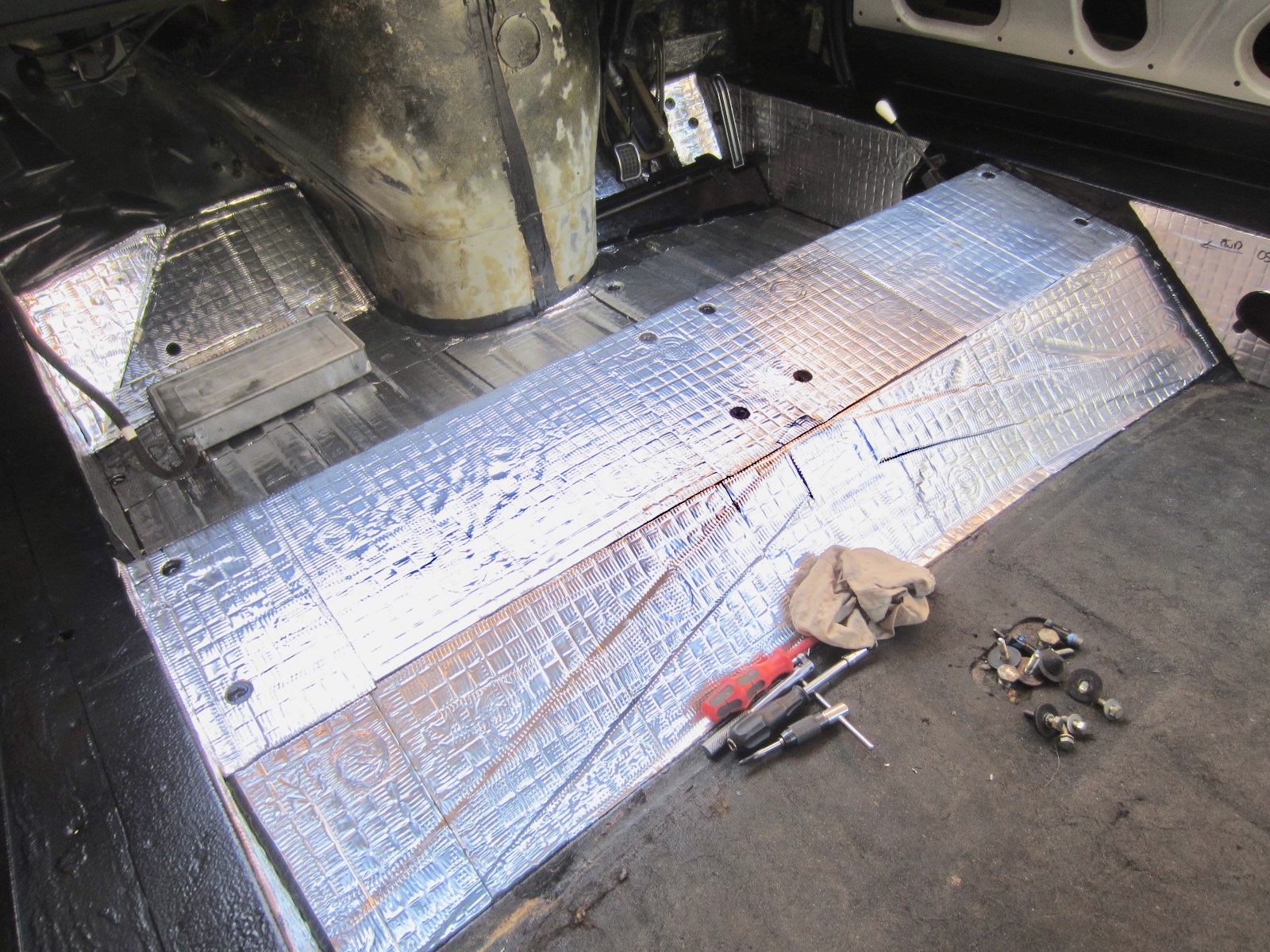
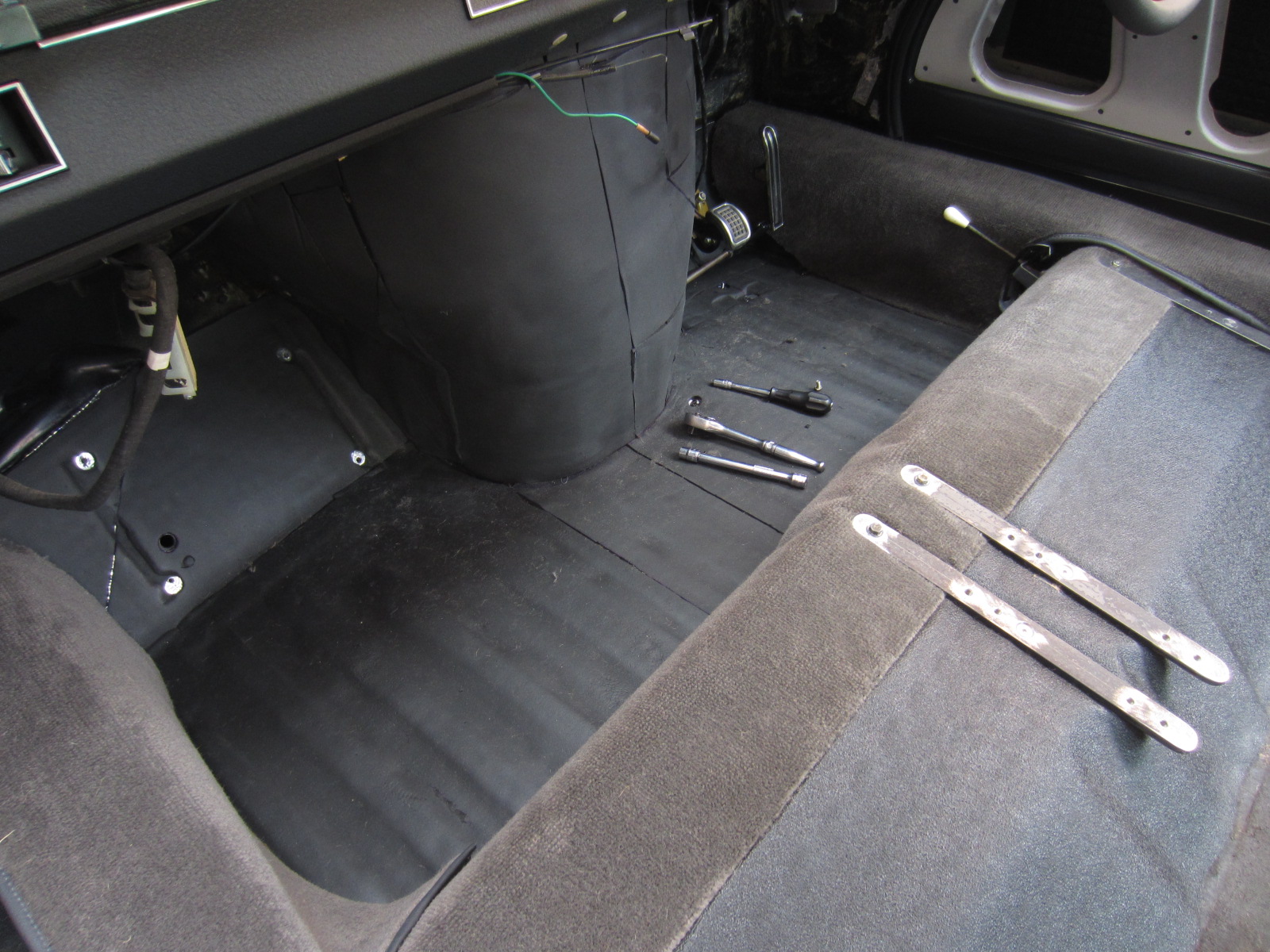
i have been trial fitting the carpets which i bought some fifteen plus years ago and have been in storage until now. i’ve got an issue with the N/S sill carpet. i think it’s the wrong type for the car? it looks to be for one that doesn’t have the height-adjuster-rod-linkage running infront of the centre floor-section?
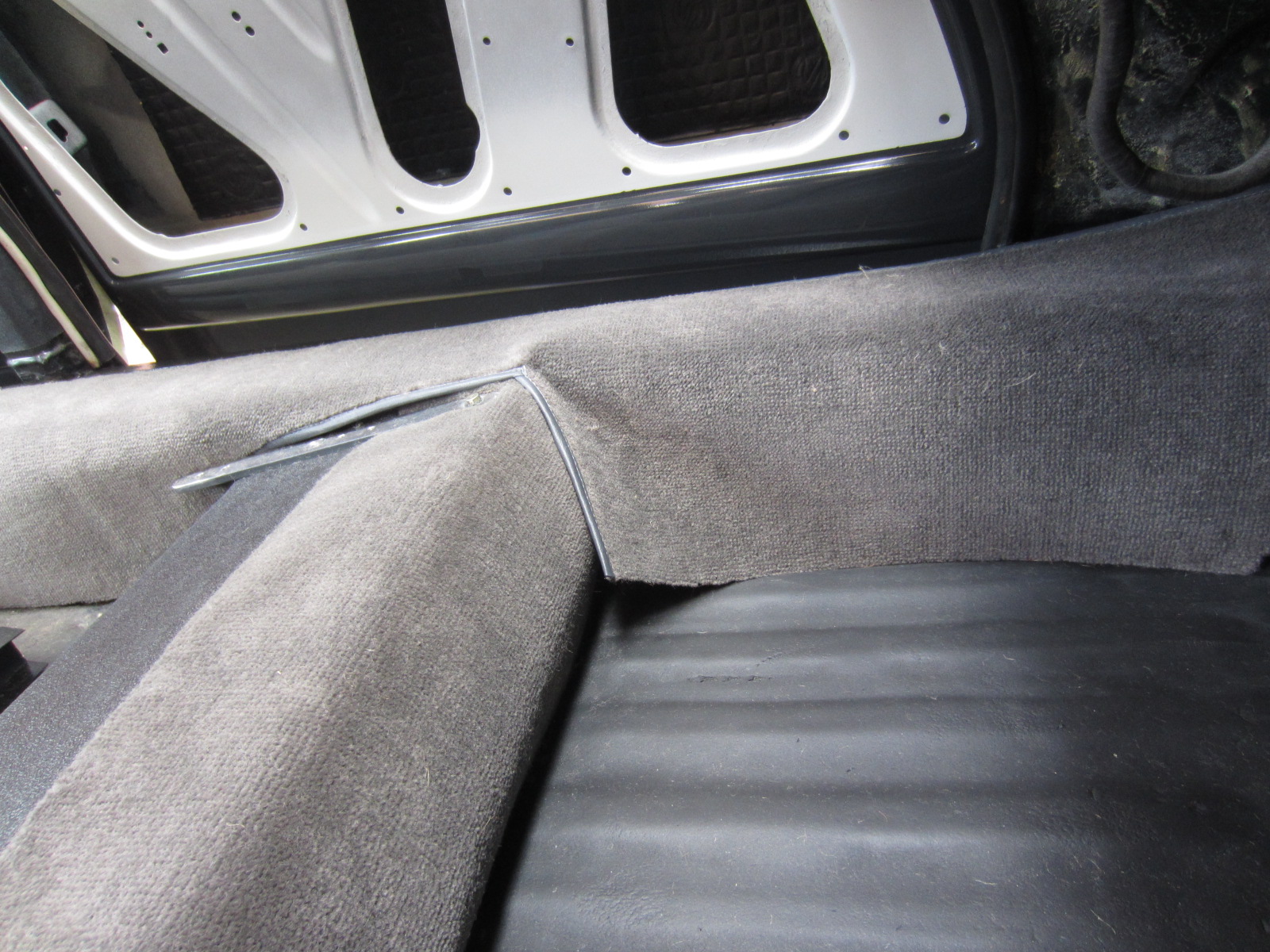
the O/S sill carpet is correct, having the shape cut for the adjusting-lever. it can be seen in the image above showing the foam sound-isolator.
Looks like I’ll have to rework it; trim it to follow the shape and re-apply binding.
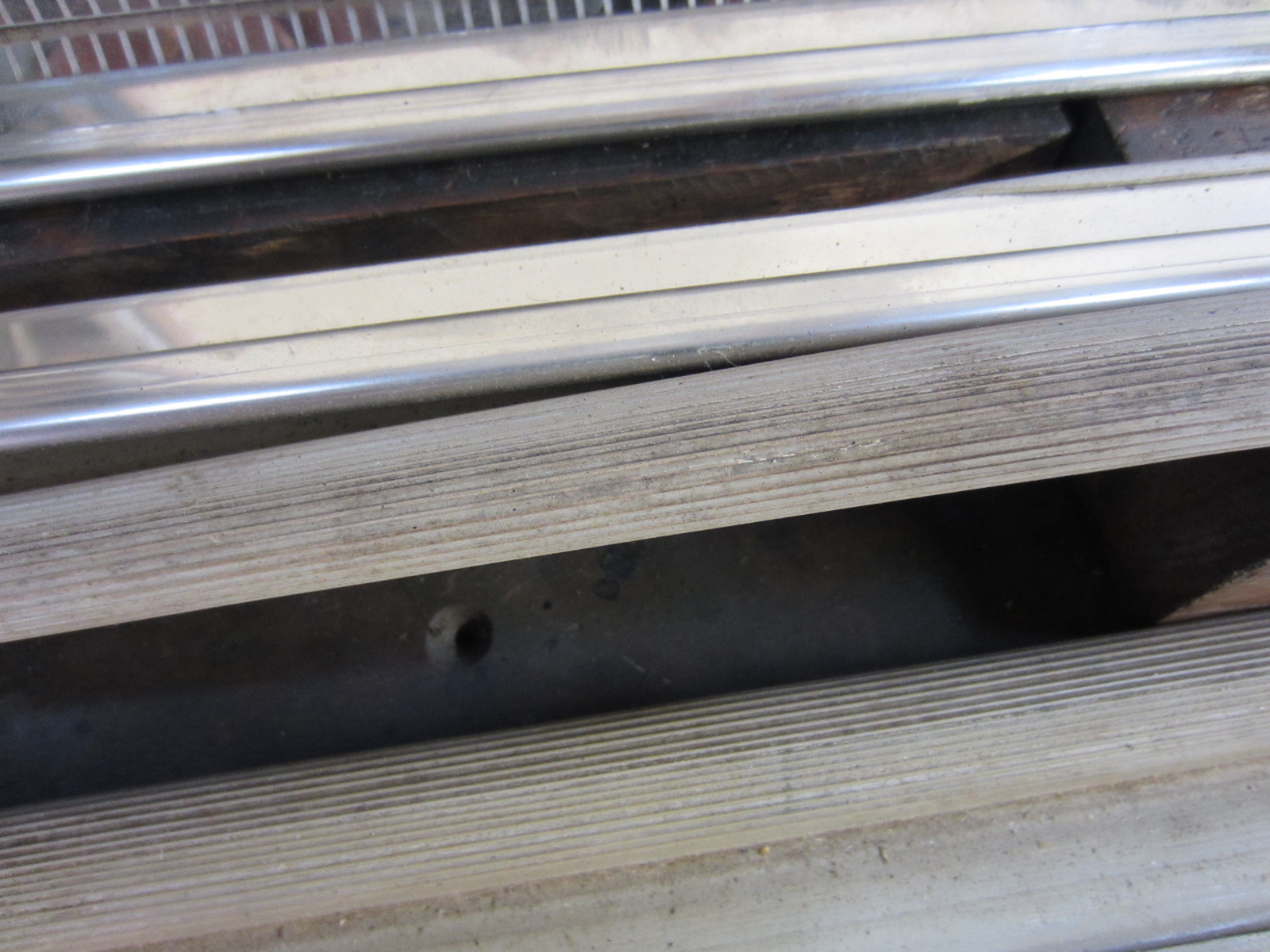
Secondly, does anyone know if the rubber trim that fits around the steel trim that secures the upper sill-covers is available anywhere? Three out the four of mine are somewhat damaged.
Not the best picture, looks like one of those guess what it is close-ups?
-
AuthorPosts